CJC FIBRECOMMUNICATIONS INFRASTRUCTURE Discuss Your Project

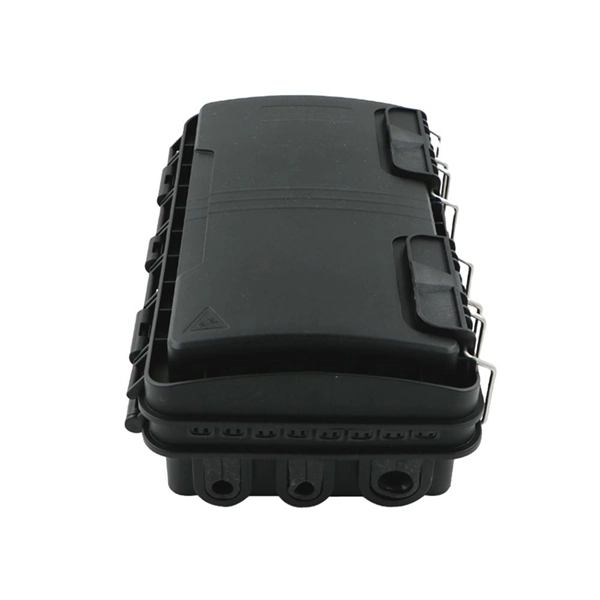
Low-voltage cabinet wiring inlet

Low-voltage incoming line cabinets should be wired using structured, code-compliant methods with proper conductor sizing, secure connections, and organized cable routing to ensure safety, reliability, and maintainability.

Conductor Selection and Sizing

Choose conductors based on current-carrying capacity, insulation type, rated voltage, and installation method. Minimum cross-sections should comply with IEC 60364-5-52, and larger cross-sections (e.g., >35 mm²) often use PR-type conductors with polyethylene or elastomer insulation for durability and heat resistance. Proper sizing prevents overheating and ensures safe operation under full load.

Wiring Layout and Organization

Adopt a structured wiring approach inside the cabinet. Use modular wiring strategies, cable ducts, and heavy-duty connectors to maintain clear separation between circuits, reduce mechanical stress, and simplify maintenance. Maintain wiring hygiene by keeping cables neat, avoiding sharp bends, and labeling all connections for easy troubleshooting.

Connection Methods

Terminal blocks or busbars should be used for secure connections. Crimped or bolted connections are preferred over loose or twisted wires to prevent overheating and contact failure. Ensure torque specifications are followed for all terminals to maintain reliable electrical contact.

Protection and Safety

Install overcurrent protection devices such as circuit breakers or fuses at the incoming line. Maintain adequate spacing between live parts and grounded surfaces to prevent short circuits. Use cable glands and strain reliefs to protect conductors from mechanical stress and vibration.

Ensure the cabinet is properly grounded and complies with local electrical codes.

Installation Best Practices

Keep the cabinet clean, dry, and free from dust or moisture before energization. Coordinate installation with other systems (HVAC, fire protection, automation) to avoid interference. Use qualified personnel with appropriate tools such as torque wrenches, crimping tools, and insulation testers.

Verify all materials against approved submittals for rating, certification, and condition before installation.

Maintenance Considerations

Structured wiring and clear labeling facilitate future expansion, troubleshooting, and maintenance. Avoid dense, tangled wiring that complicates access to terminals or busbars. Regular inspection ensures connections remain tight and insulation intact.

By following these guidelines, low-voltage incoming line cabinets can achieve safe, reliable, and maintainable operation, minimizing downtime and electrical hazards.

Low-voltage cabinet wiring inlet

how to choose low voltage power distribution cabinet ?

Choosing a low-voltage power distribution cabinet is similar to choosing GIS, but the focus is on load capacity, safety, and adaptability for low

How to Run Electrical Wiring Inside Kitchen Cabinets

Master the safe and concealed installation of electrical wiring within kitchen cabinets, covering code compliance, technique, and function.

Amazon : Low Voltage Enclosure

Explore a wide range of enclosures designed for cable management and networking. Shop top-rated options for residential and commercial applications.

Low Voltage Installation: Wiring & Cabling Full Guide

Learn the fundamentals and best practices of low voltage wiring to enhance the safety and efficiency of your electrical installations.

Cabinet design and EMC

It specifies requirements for converters with operating voltages of less than 1000 V. Different environments and categories are defined depending on where the drive system is installed.

Low Voltage Cabinets

Our outdoor low voltage cabinets are designed for durability, safety, and ease of operation in demanding environments. Suitable for installation on transformers or

Low Voltage Wiring: Complete Guide (Types, Costs & Code) 2026

Whether you''re planning a DIY upgrade or hiring professionals, this guide breaks down the key concepts, wiring types,

MNS® Low Voltage Distribution Board and Power Cabinet

The ABB-MNS® distribution board and power cabinet are of a welded structure. The product comes in a good variety of shapes, and is highly versatile, structurally innovative, and mechanically rigid. Its

Related Video Reference

This video was associated with the source search result. Verify technical details against current product documentation and project requirements.

Technical note

This reference is intended for preliminary fiber and communications infrastructure research. Optical interface, fiber type, port or core capacity, electrical input and output, enclosure protection, cooling, installation limits and applicable standards must be verified for the specific project.

Still Have a Technical Question?

Use the inquiry form to describe the product category, application, interfaces, capacity and installation environment.

Start a Project Inquiry