
Base Configuration
Confirm capacity, dimensions, port arrangement, mounting and supplied accessories.
Explore 24 product families covering fiber cabling, optical distribution, passive components, racks, pathways, power and outdoor equipment protection.
Filter the portfolio by system. Each family lists the inputs that help define a usable configuration and a comparable enquiry.
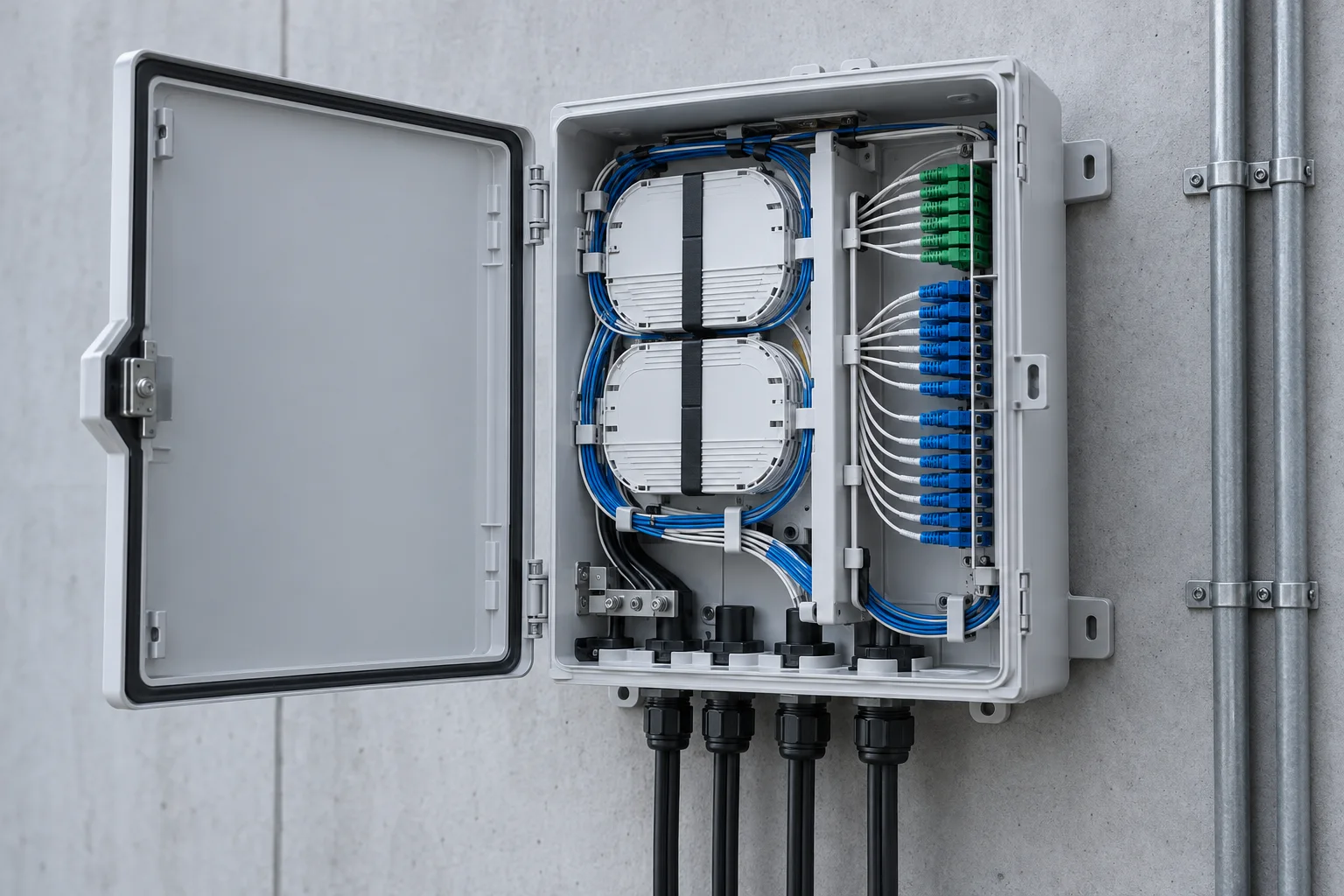
Wall, pole and cabinet-mounted enclosures for splicing, splitter integration and subscriber drops.
Configuration inputsFiber capacity, tray count, adapter format, cable ports, mounting and protection level.
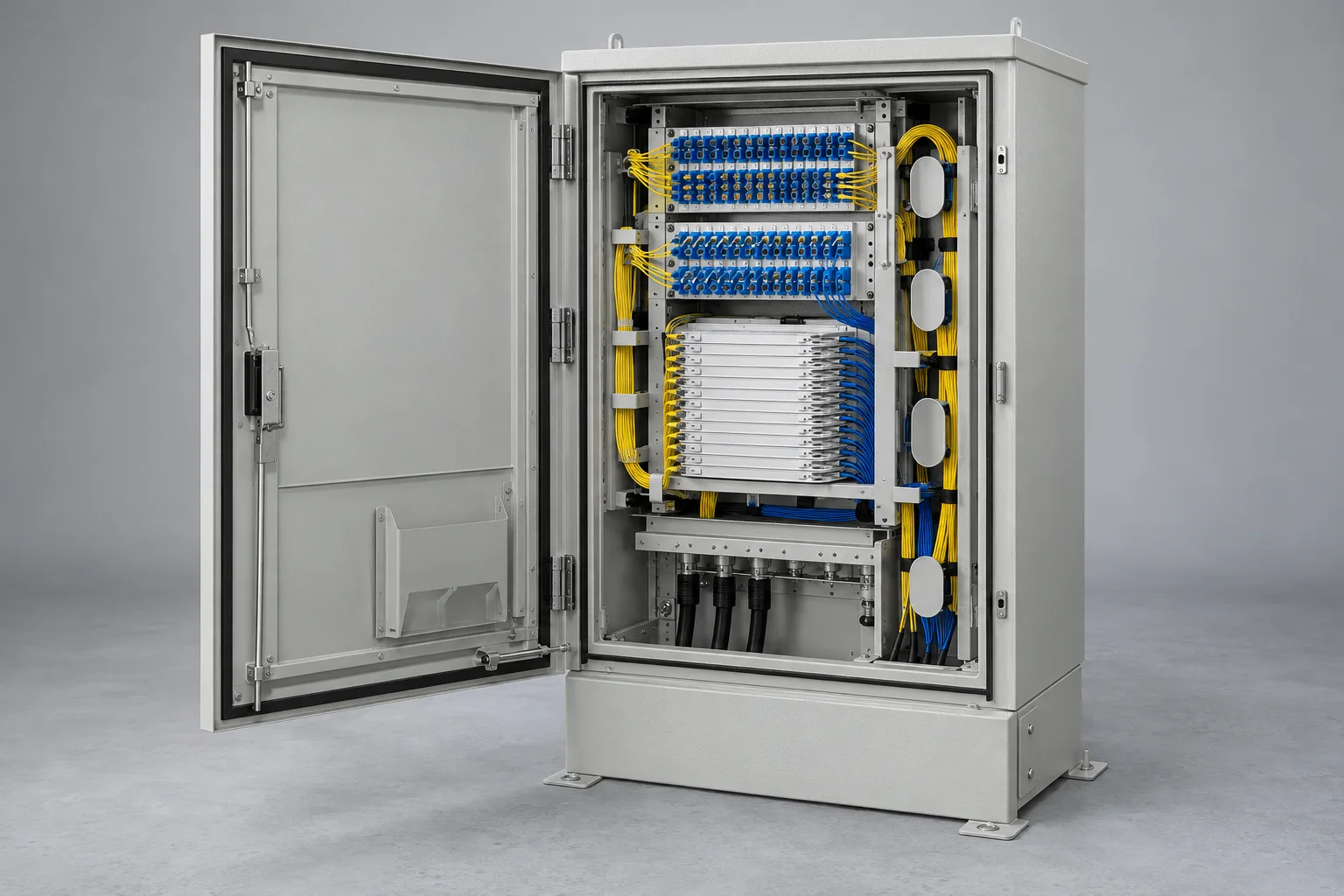
Street and site cabinets for feeder, distribution and drop-side patching.
Configuration inputsCore capacity, splitter space, splice storage, cable entry and service clearance.
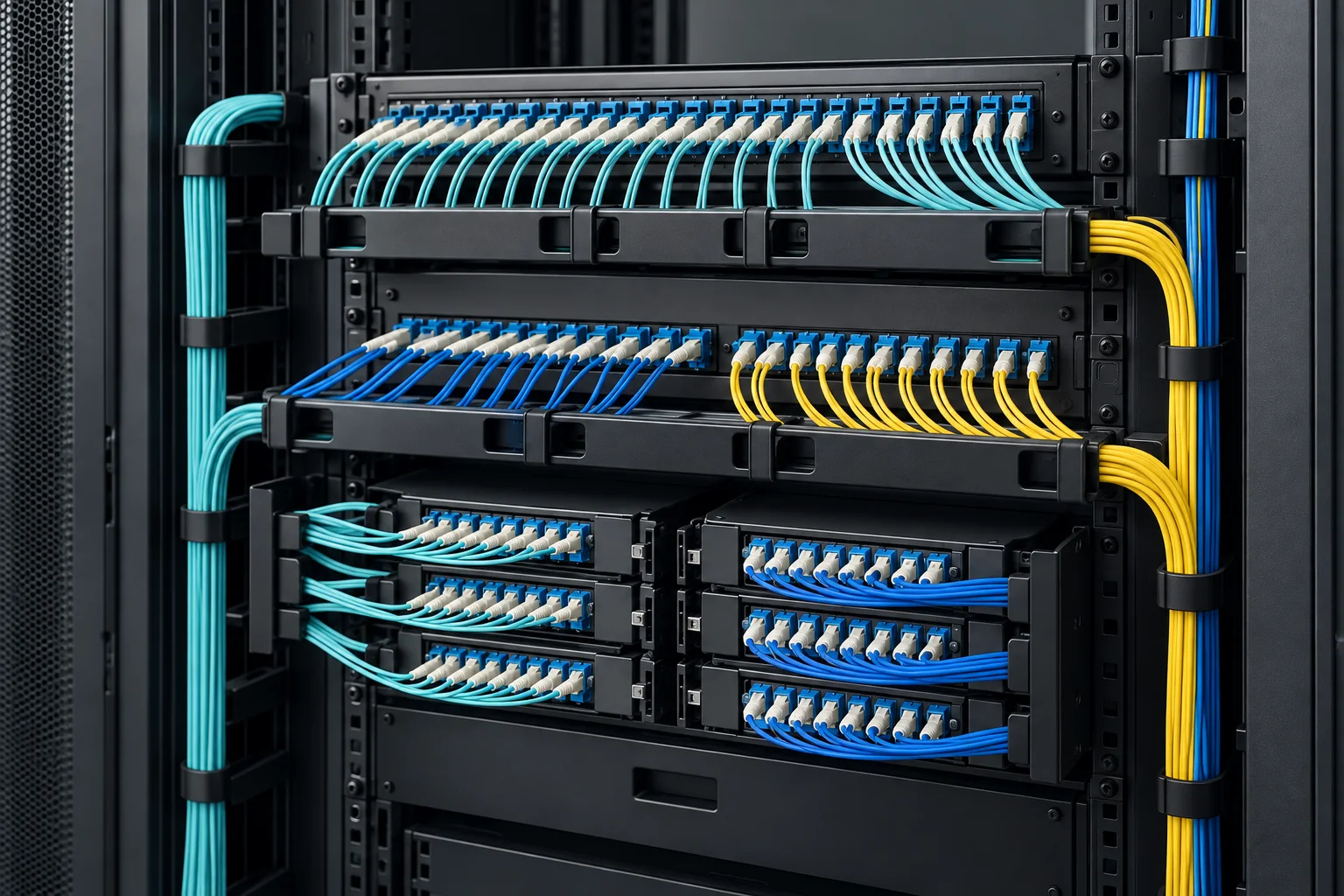
Rack-based termination, patching and cable management for equipment rooms.
Configuration inputsRack units, port density, adapter type, splice method and cable approach.
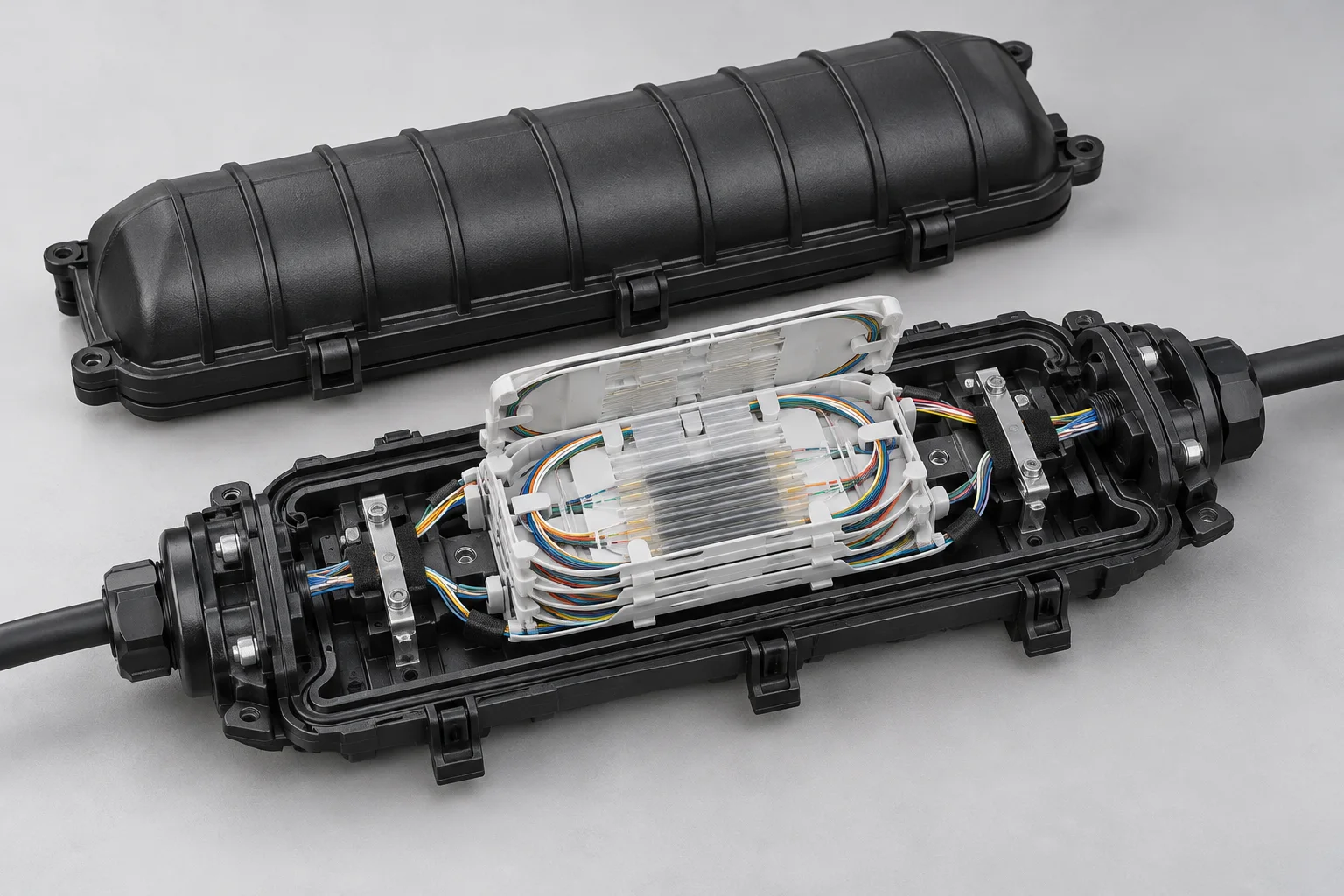
Sealed inline and branching enclosures for underground, aerial and duct routes.
Configuration inputsSplice capacity, cable diameter, branch ports, sealing method and re-entry needs.
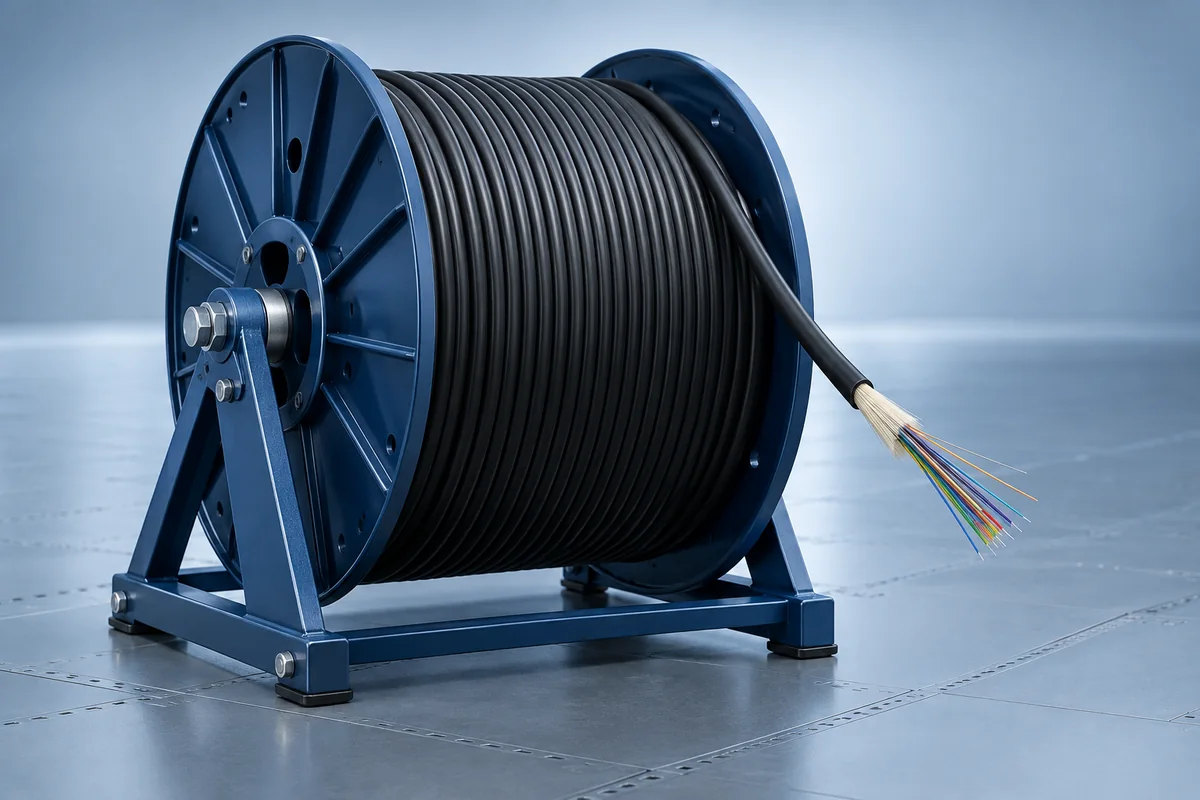
Indoor, outdoor, armored and self-supporting construction for communication routes.
Configuration inputsFiber count, fiber type, route, strength member, jacket and fire performance.

Compact indoor, aerial and duct drop options for final subscriber connections.
Configuration inputsSpan, pathway, bend control, strength member, connectorization and termination.
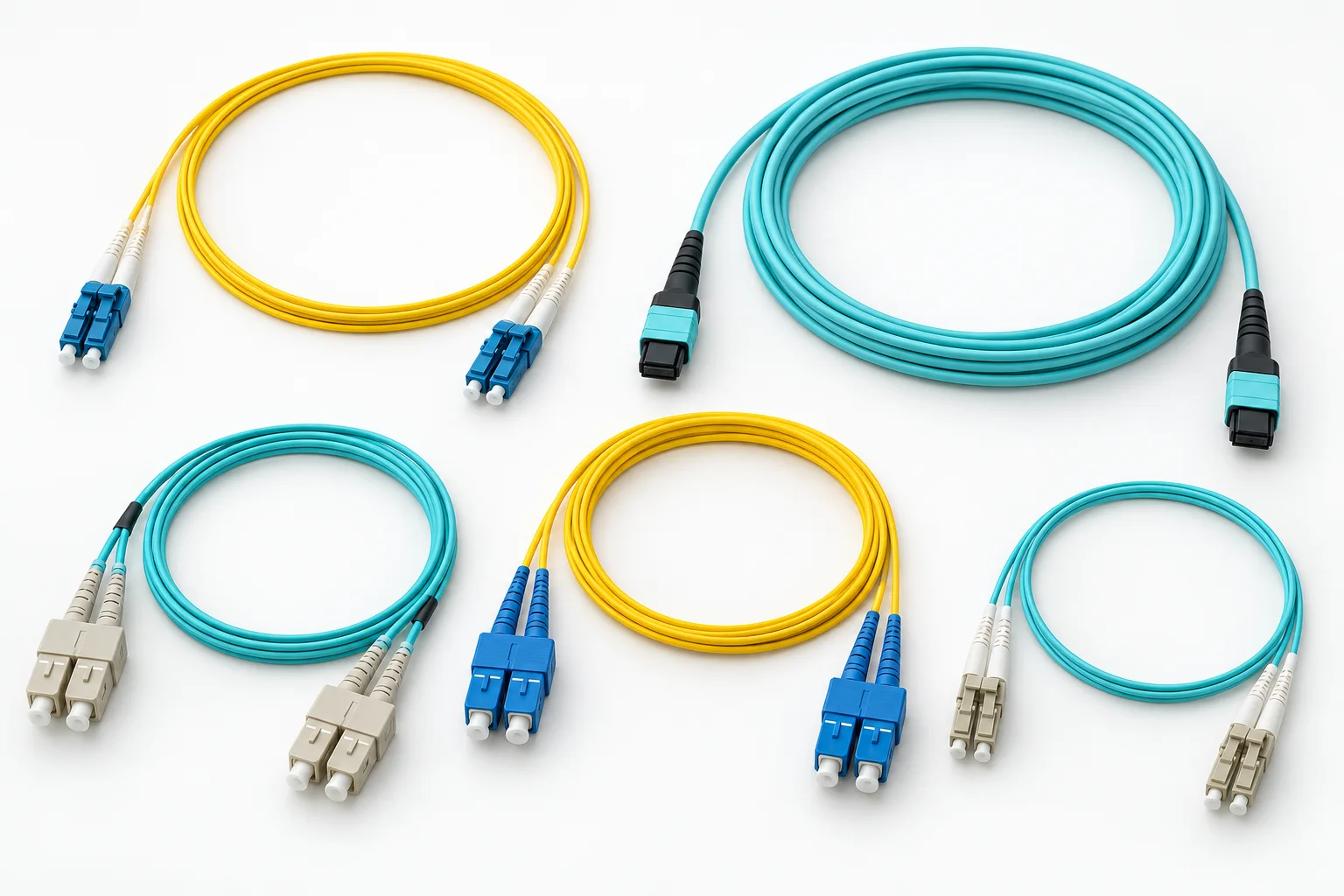
Factory-terminated jumpers for patch panels, optical equipment and high-density links.
Configuration inputsConnector, polish, fiber category, polarity, jacket, length and loss grade.
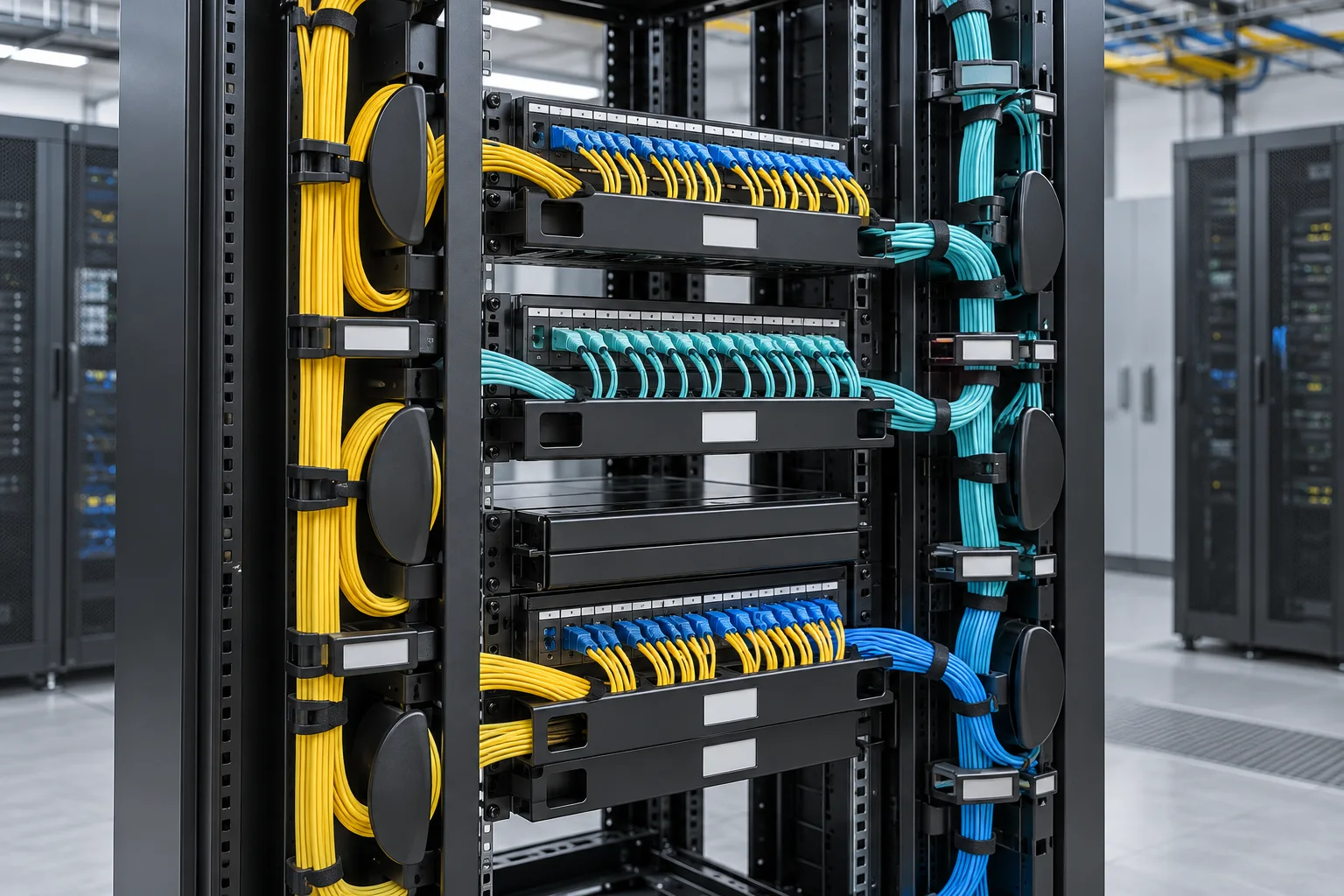
Horizontal and vertical organizers for separation, slack storage and service access.
Configuration inputsRack format, cable volume, route direction, bend control and access method.
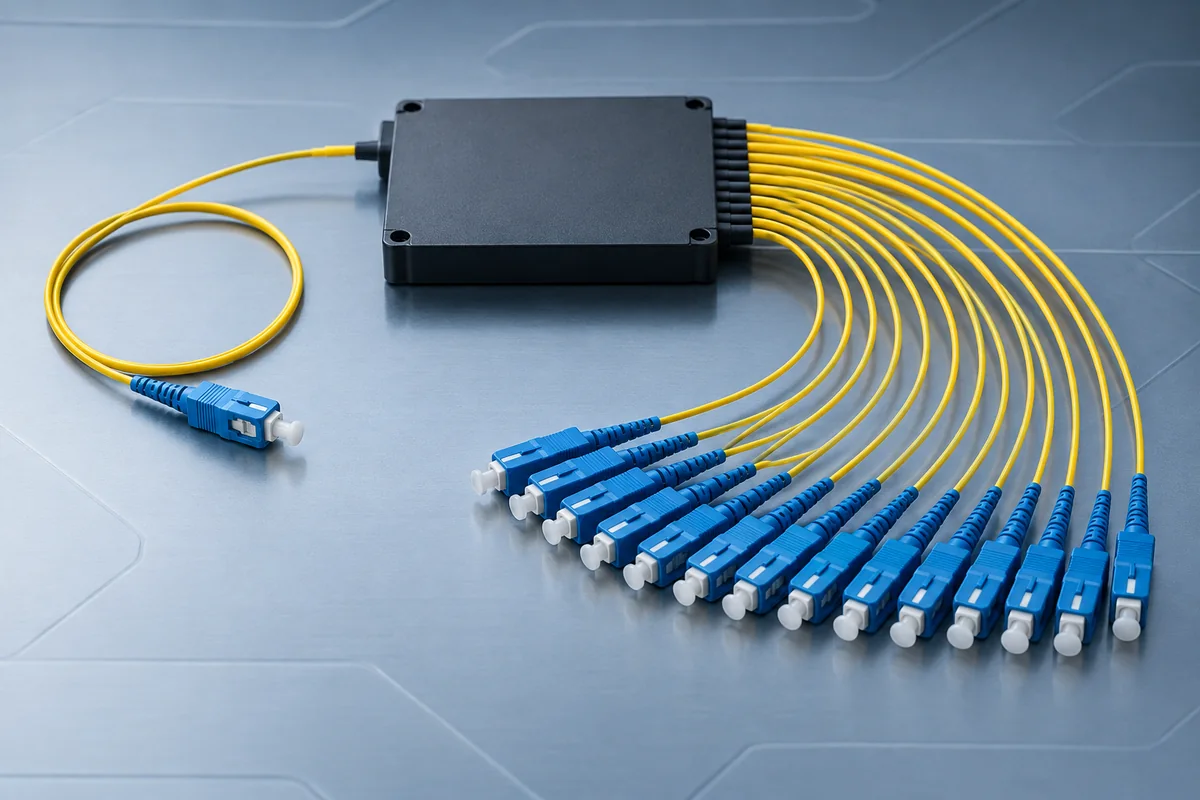
PLC and application-specific splitter formats for PON and monitoring networks.
Configuration inputsSplit ratio, package, connectorization, insertion loss and operating environment.
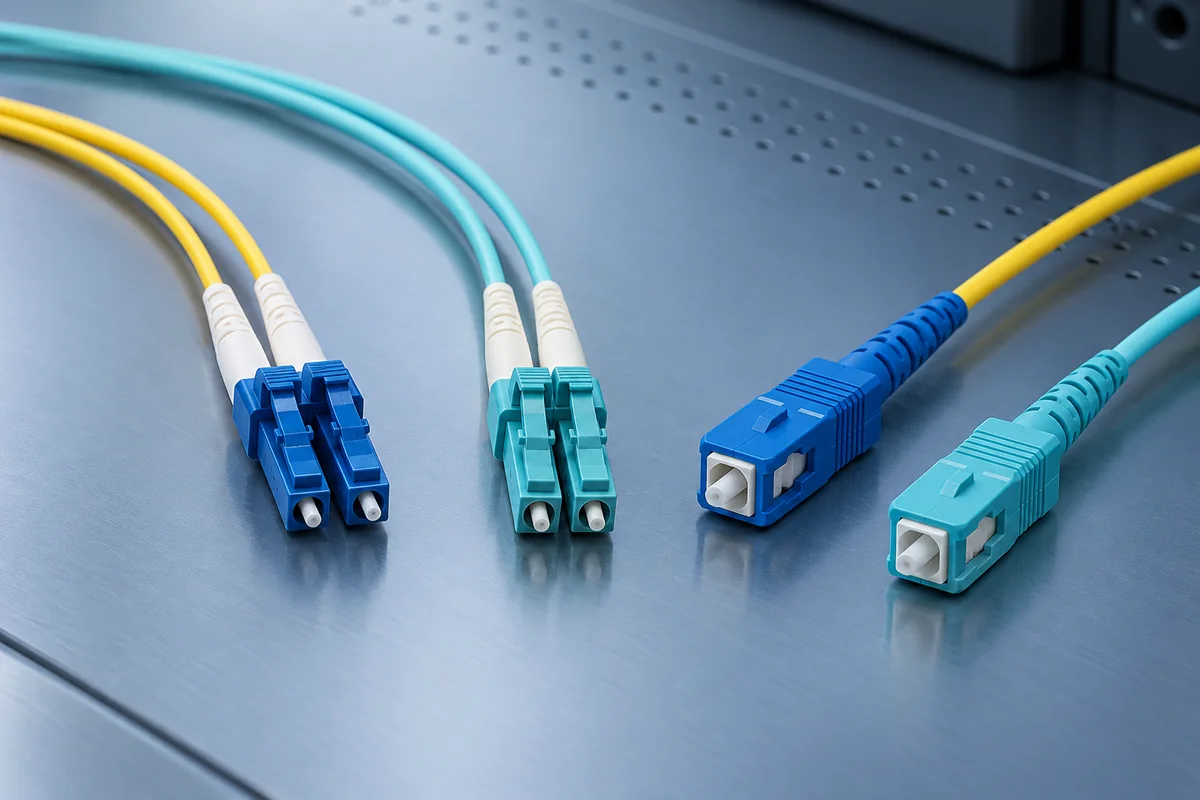
Connectorized components for equipment ports, panels and distribution nodes.
Configuration inputsInterface, polish, fiber category, length, jacket and insertion-loss grade.
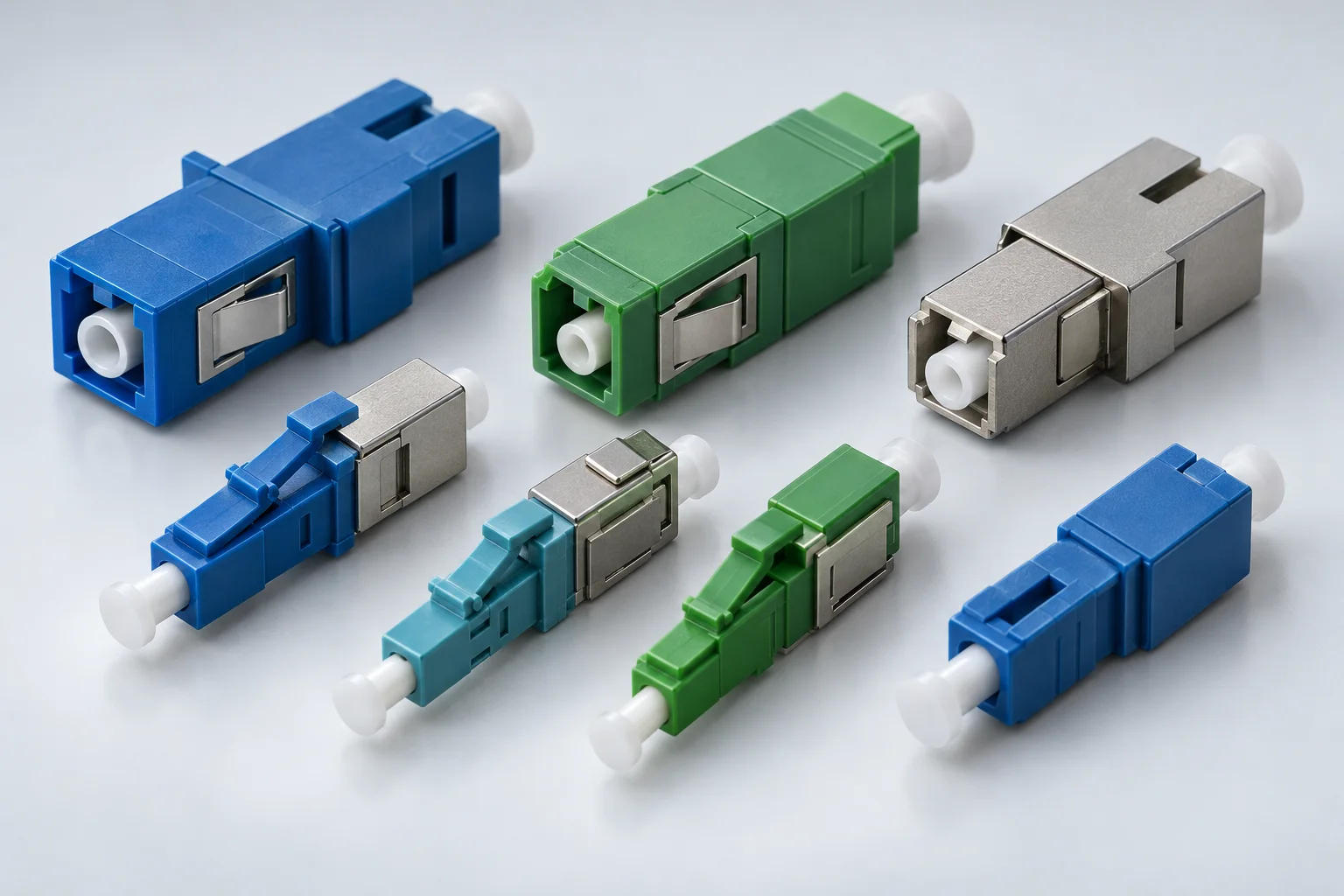
Fixed connectorized attenuation for keeping receiver power within range.
Configuration inputsAttenuation value, wavelength range, connector, polish and return loss.
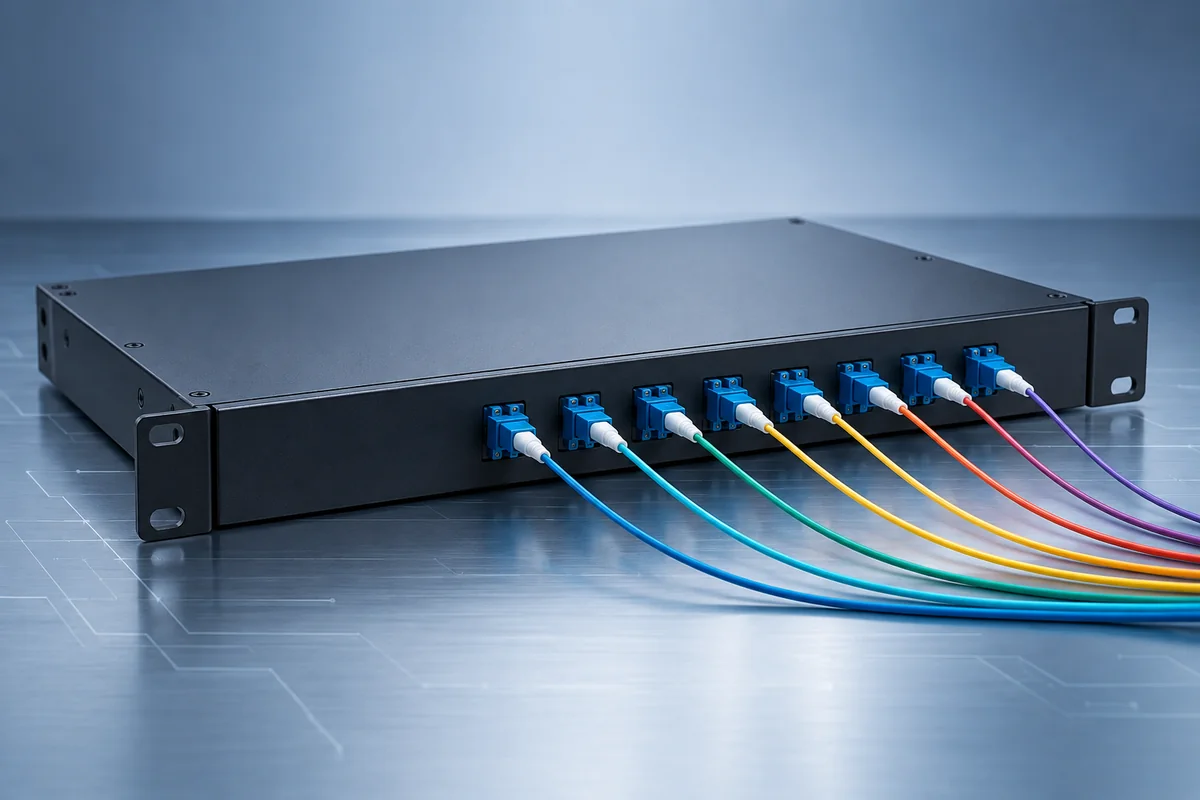
Passive wavelength combination and separation for fiber-capacity expansion.
Configuration inputsChannel plan, passband, isolation, insertion loss, connector and package.
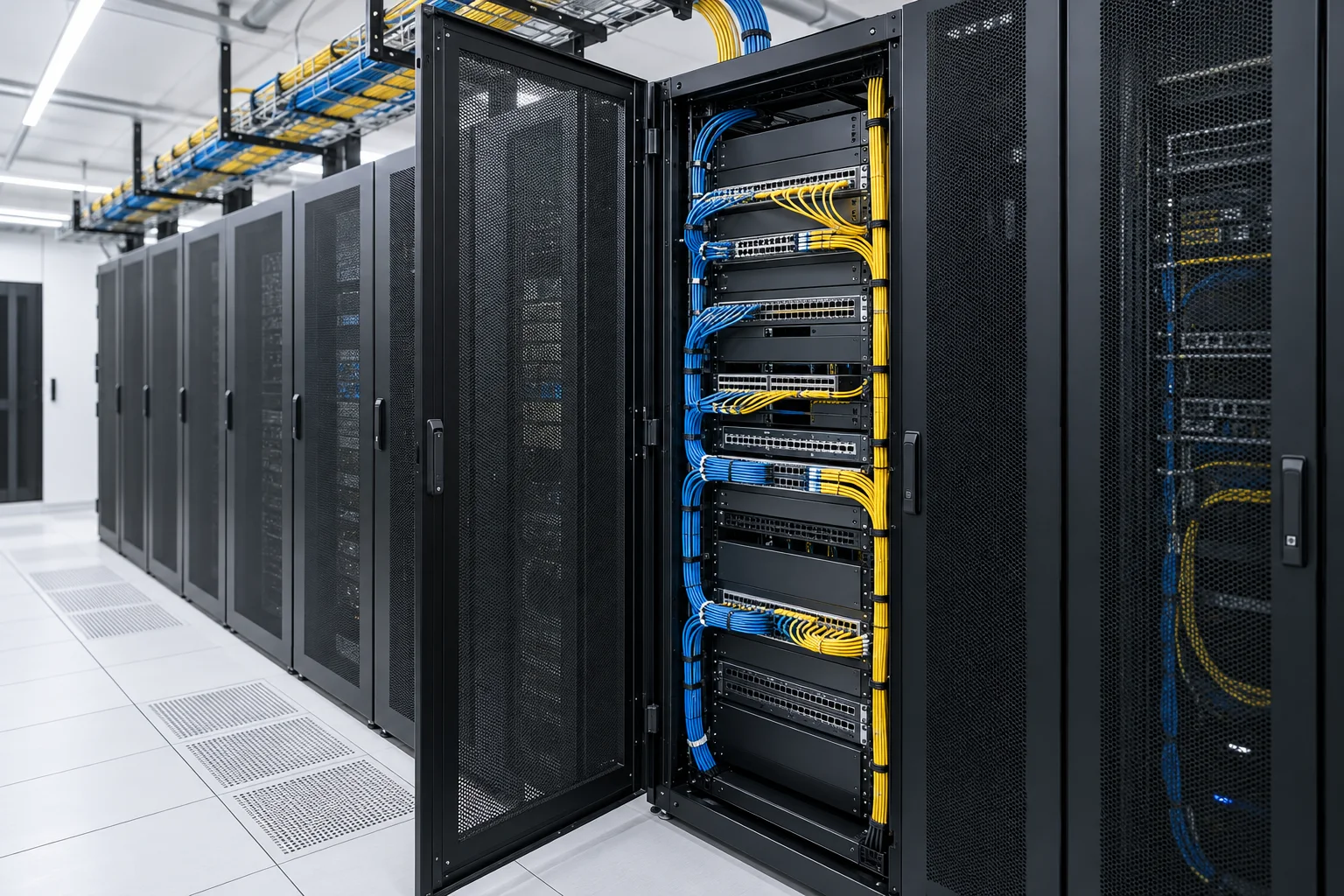
19-inch cabinets for switches, patching, cable management and edge equipment.
Configuration inputsRack units, width, depth, load, door type, airflow and access direction.
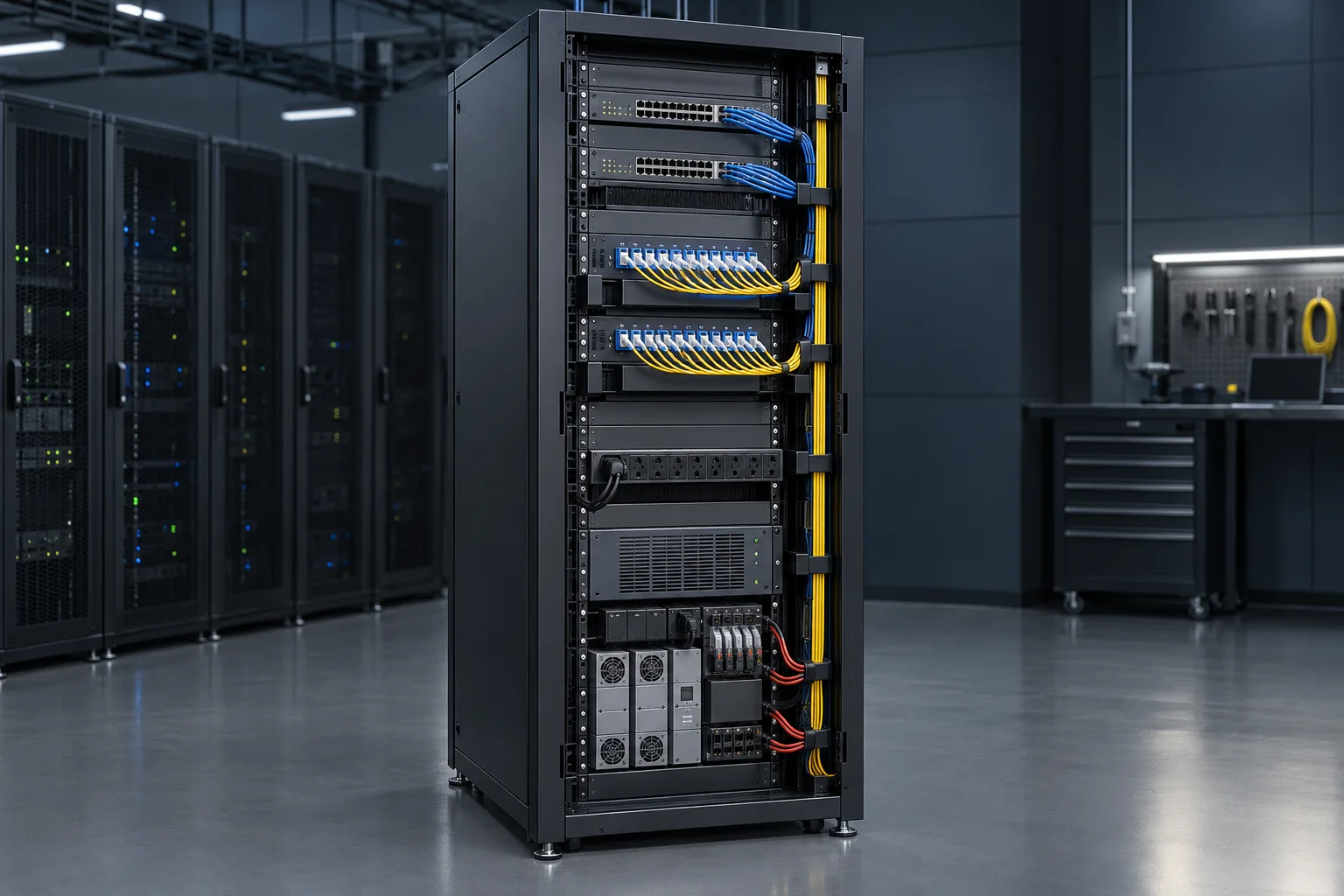
Coordinated rack space for network, optical, monitoring and power equipment.
Configuration inputsEquipment list, rack units, heat load, cable zones, PDU and growth margin.
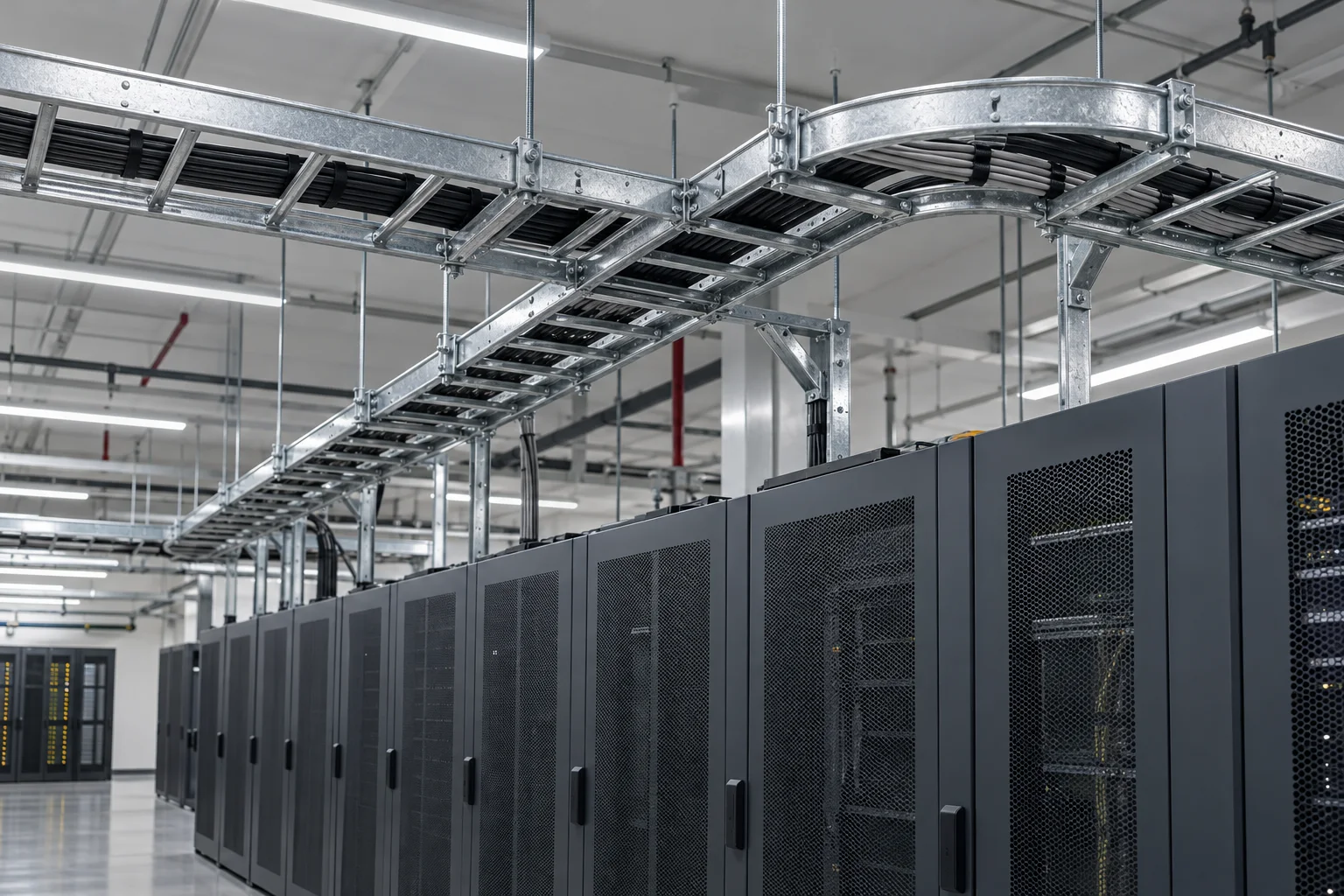
Supported metal pathways for organized power, copper and communication cabling.
Configuration inputsCable load, segregation, route, support spacing, grounding and future fill.
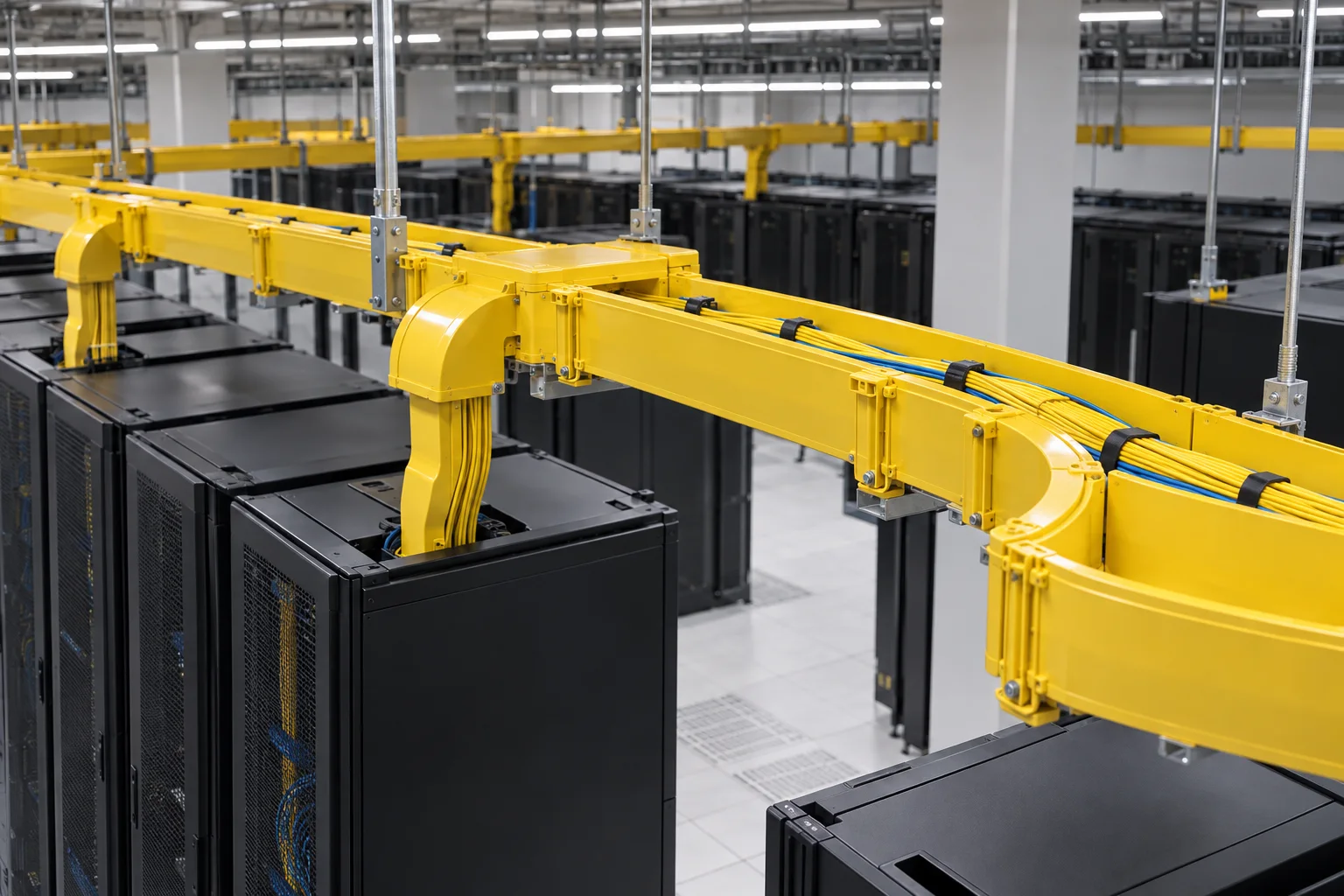
Dedicated overhead routes that protect fiber and preserve bend radius above equipment rows.
Configuration inputsFiber volume, route, outlets, branch geometry, support spacing and future fill.
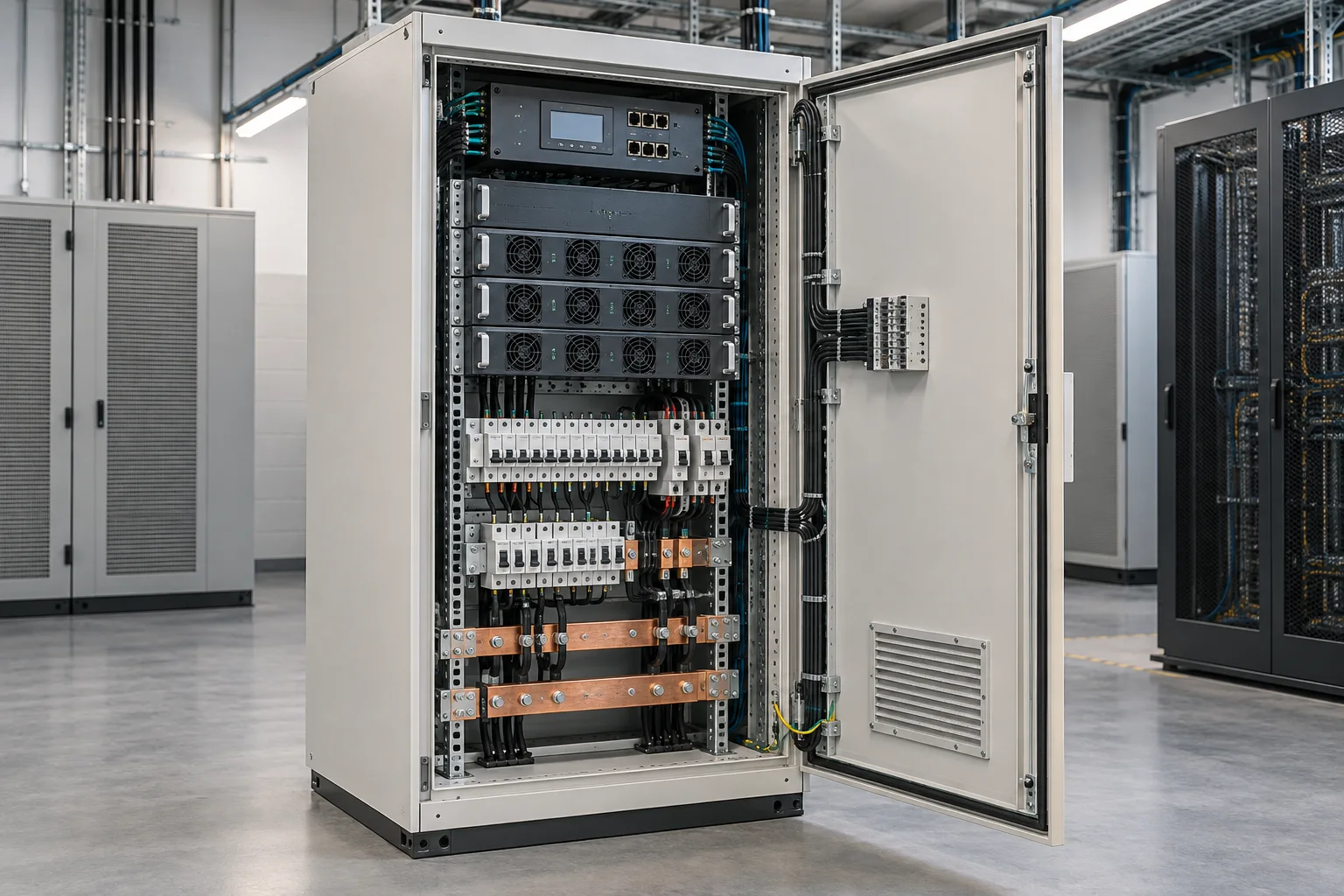
Rectifier, controller and DC distribution assemblies for communication loads.
Configuration inputsAC input, DC voltage, load current, redundancy, monitoring and branch circuits.
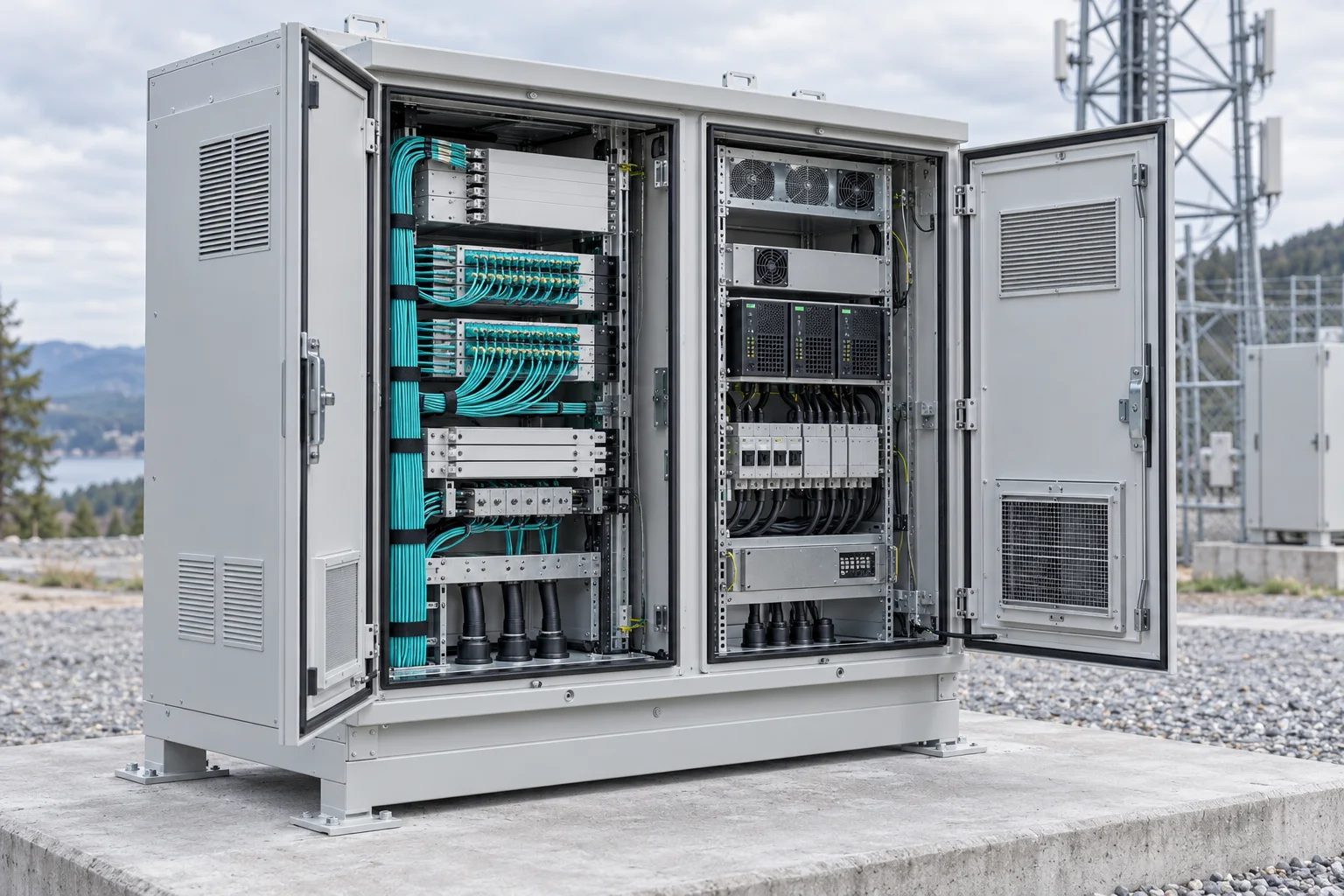
Combined enclosure options for rectification, batteries, protection and site equipment.
Configuration inputsLoad schedule, autonomy, cable entry, segregation, thermal design and enclosure rating.
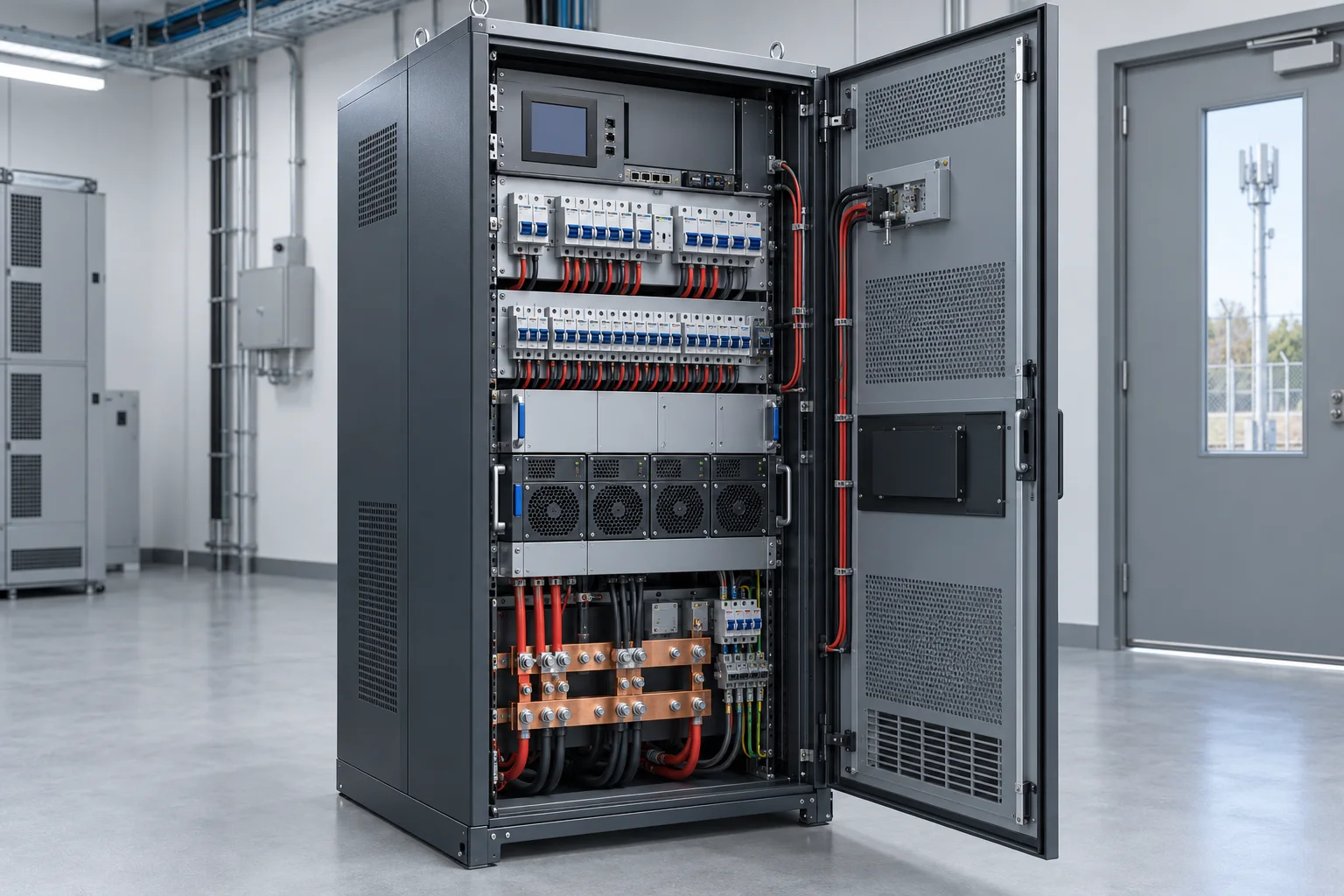
Organized protection and monitored branch distribution for communication loads.
Configuration inputsInput, bus rating, branch count, breaker ratings, monitoring and cable direction.
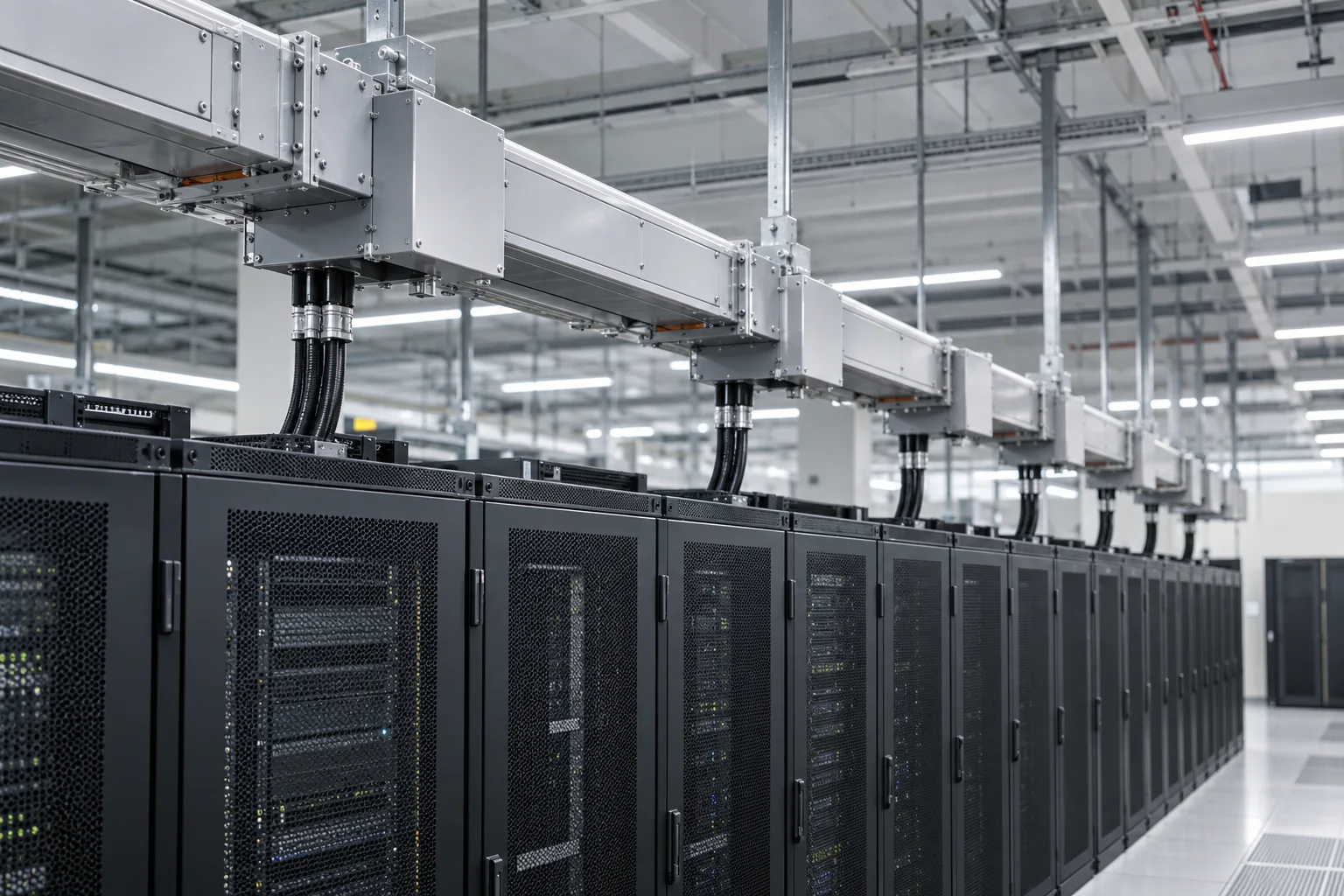
Overhead modular distribution with monitored tap-off units for equipment rows.
Configuration inputsVoltage, current, fault rating, tap-off quantity, monitoring and mounting route.
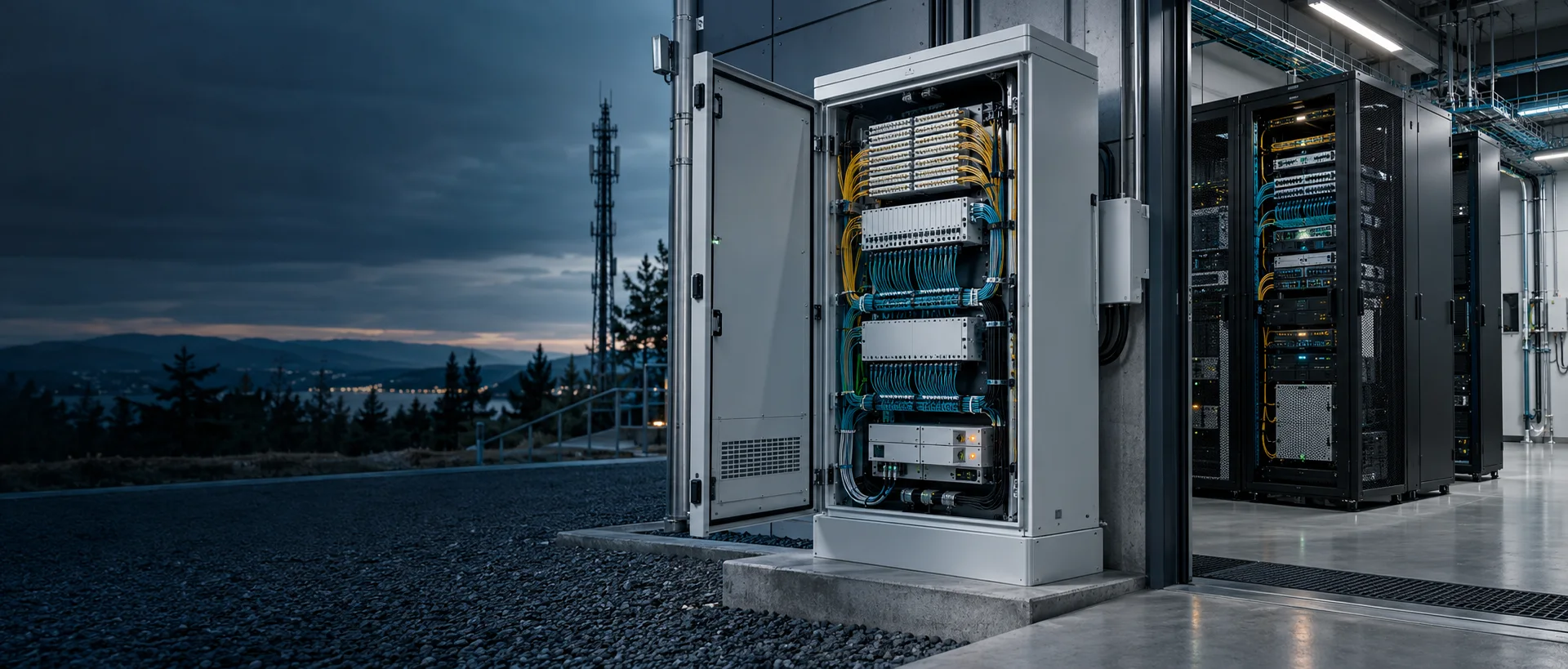
Weatherproof equipment housing for access, radio, power and monitoring hardware.
Configuration inputsDimensions, compartment layout, protection, cooling, grounding and mounting.
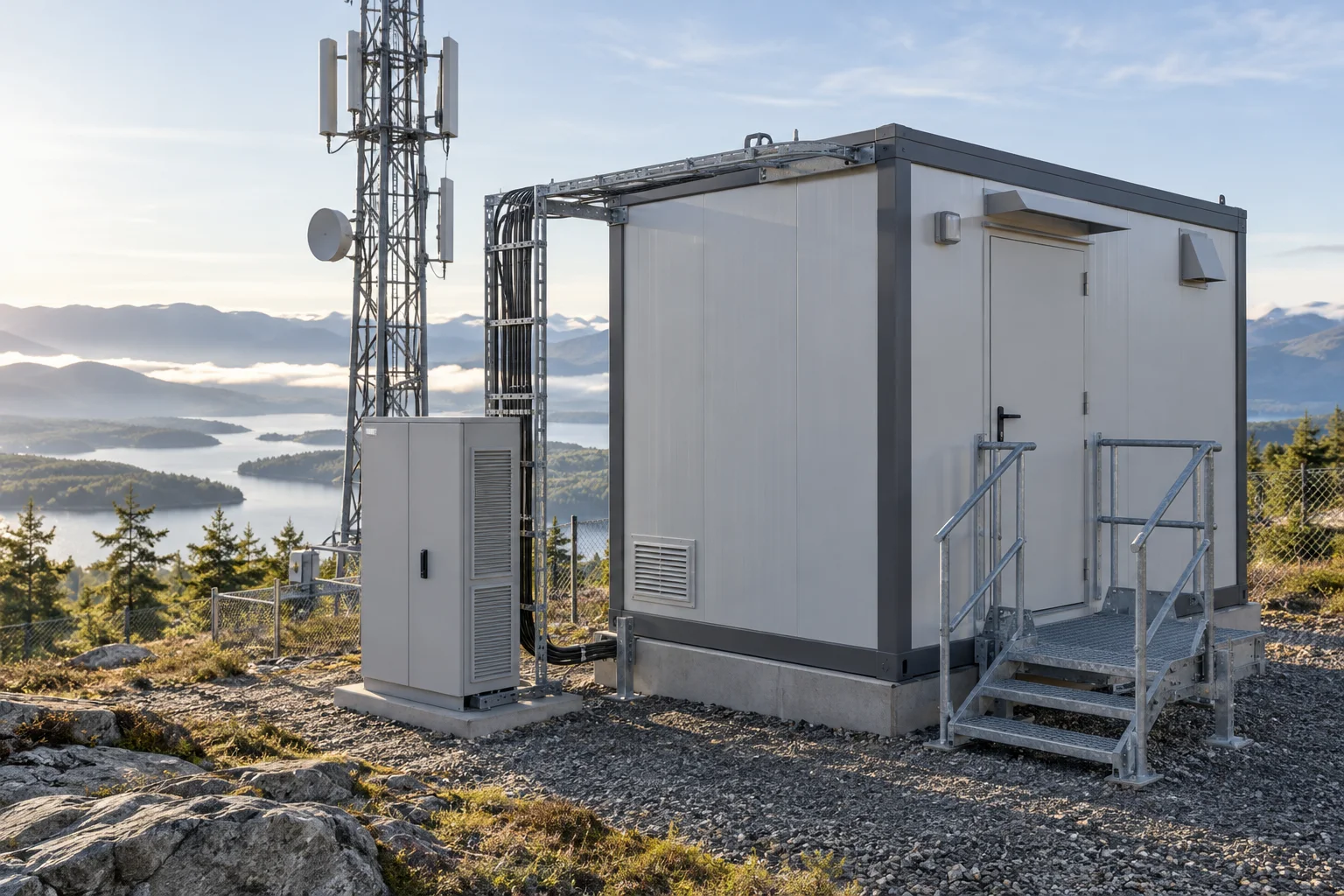
Compact walk-in protection for communication, power and support equipment.
Configuration inputsFootprint, wall system, cooling, cable route, access, fire strategy and foundations.
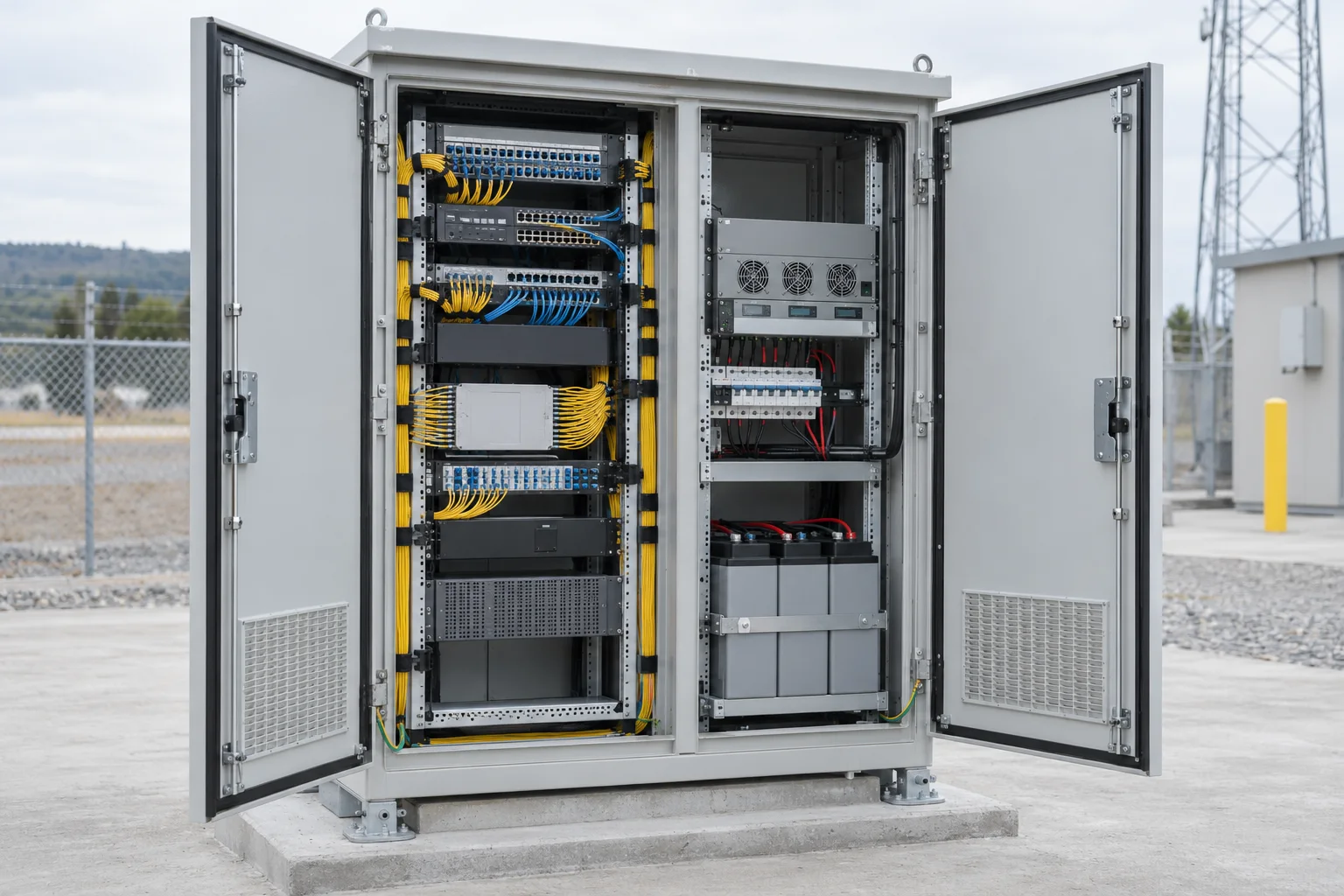
Field-ready enclosures for transportable or resilient communication equipment.
Configuration inputsDeployment method, equipment load, connectors, power input, climate and transport needs.
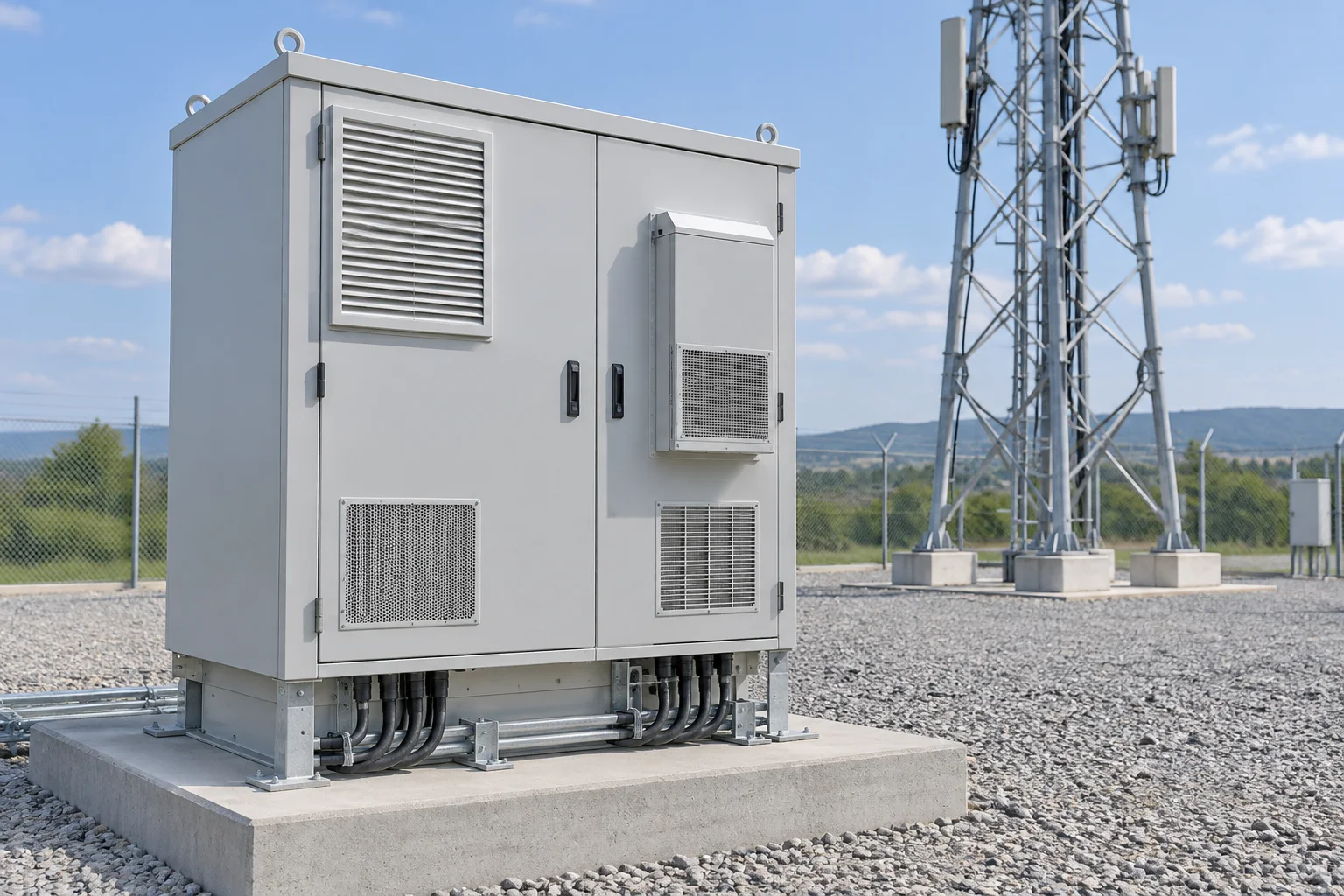
Integrated outdoor protection for radio, transport, monitoring and supporting power equipment.
Configuration inputsEquipment list, compartment plan, heat load, cable entry, grounding and site access.
Check what is included, what is optional and which interfaces depend on equipment elsewhere in the project.
Confirm capacity, dimensions, port arrangement, mounting and supplied accessories.
Specify fiber, connectors, polish, wavelength and the permitted losses.
Coordinate cable entry, power, thermal requirements and maintenance clearance.
List quantities, spare parts, drawings, documentation and destination.
A product name is a starting point. Capacity, interfaces and installation details make the enquiry actionable.